Xinjiang Travel Guide for Foreign Tourists
- Aug 15
- 6 min read
Xinjiang is a fascinating destination for international travelers, offering a unique combination of spectacular landscapes, ancient Silk Road history, diverse cultures, and unforgettable road journeys. From the mountain scenery of Northern Xinjiang to the historic streets of Kashgar, the region offers something for almost every type of traveler.
For foreign visitors, however, planning a trip to such a large region can raise practical questions about transportation, accommodation, communication, food, payments, and local travel. This guide covers the most important things to know before visiting Xinjiang.
Why Should Foreign Tourists Visit Xinjiang?
Xinjiang is unlike many other destinations in China because of its incredible geographical and cultural diversity.
During one journey, you can experience:
Snow-capped mountains
Alpine lakes
Vast grasslands
Forests and valleys
Golden deserts
Ancient Silk Road cities
Traditional markets
Local cuisine
Pastoral landscapes
Historic architecture
The region is particularly attractive to travelers interested in photography, nature, culture, history, and scenic road trips.
Is Xinjiang Suitable for Foreign Tourists?
Yes. Xinjiang welcomes international travelers, and many of the region's major tourist destinations can be included in international visitors' itineraries.
However, Xinjiang is extremely large. Traveling independently can sometimes require more planning than visiting a typical tourist city because destinations can be separated by long distances and some remote areas have limited transportation options.
For first-time visitors, working with a local travel company can make the journey considerably easier.
Where Should Foreign Tourists Visit?
The best destinations depend on your interests.
Northern Xinjiang
Northern Xinjiang is ideal for travelers who want spectacular natural scenery.
Popular destinations include:
Urumqi
Altay
Kanas
Hemu Village
Yining
Sayram Lake
Narati
Kuerdening
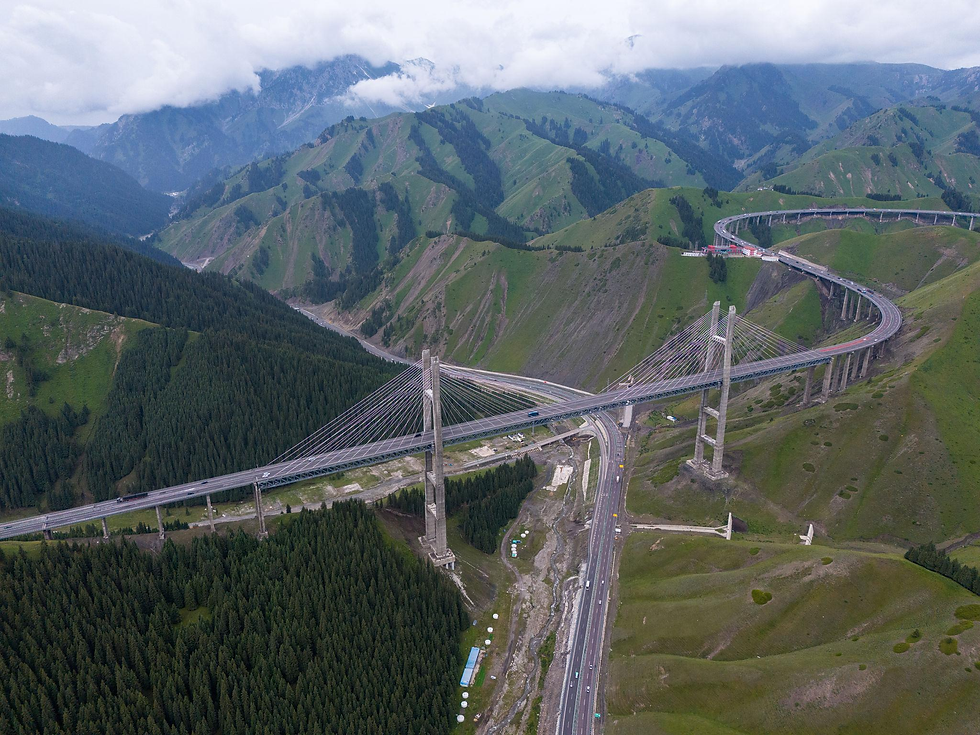
Duku Highway
The region is known for forests, grasslands, lakes, mountains, and pastoral landscapes.
Southern Xinjiang
Southern Xinjiang is particularly attractive for travelers interested in culture and Silk Road history.
Popular destinations include:
Kashgar
Tashkurgan
Kuqa
White Sand Lake
Karakul Lake
Taklamakan Desert
Kuqa Grand Canyon
Southern Xinjiang combines historic cities, traditional markets, desert landscapes, and dramatic mountain scenery.
How Many Days Should Foreign Tourists Spend in Xinjiang?
For a first visit, 8–10 days is a good length if you want to focus on one region.
If you want to explore both Northern and Southern Xinjiang, consider 12–14 days or more.
Xinjiang is too large to experience properly in only a few days if you want to visit multiple regions.
A longer itinerary also allows you to spend more time at scenic destinations instead of constantly traveling between them.
How Do Foreign Tourists Get to Xinjiang?
Most international visitors begin their journey in Urumqi, which is the main transportation hub of Xinjiang.
You can reach Urumqi by:
International flight
Domestic flight from another Chinese city
Train from other parts of China
Once in Xinjiang, travelers can combine domestic flights, trains, private vehicles, and organized tours depending on their itinerary.
How Do You Travel Around Xinjiang?
Private transportation is often one of the most convenient options for international travelers.
Because many scenic destinations are far from major cities, a private vehicle allows you to travel directly between locations without repeatedly changing buses or trains.
It also provides greater flexibility for photography stops and scenic viewpoints along the way.
For longer journeys, combining domestic flights with private road transportation can reduce travel time.
Can Foreign Tourists Travel Independently?
Independent travel is possible in many parts of Xinjiang, particularly in major cities and established tourist destinations.
However, travelers should be prepared for:
Long travel distances
Language barriers
Limited public transportation in remote areas
Local security procedures
Different payment systems
Possible additional requirements in certain border areas
For travelers visiting Xinjiang for the first time, a private or customized tour can make transportation and daily logistics much simpler.
Accommodation in Xinjiang
Xinjiang has a wide range of accommodation, from international-standard hotels in major cities to comfortable local hotels in smaller towns and scenic areas.
When planning accommodation, consider the location rather than choosing a hotel based only on its price or rating.
Staying closer to a scenic area can reduce driving time and give you more time for sightseeing.
For popular destinations during summer and autumn, booking accommodation in advance is recommended.
What Should Foreign Tourists Know About Food?
Xinjiang is famous for its flavorful cuisine and diverse food culture.
Popular dishes and foods include:
Lamb kebabs
Polo rice
Hand-pulled noodles
Naan
Dumplings
Fresh fruit
Melons and grapes
Local tea
Major cities generally offer a wider range of restaurants, while smaller towns and remote scenic areas may have fewer choices.
If you have dietary restrictions or allergies, it is useful to communicate them clearly when ordering food.
Payments in Xinjiang
China is highly digital when it comes to everyday payments.
Mobile payment platforms are widely used in restaurants, shops, hotels, and transportation.
Foreign travelers should prepare their preferred payment methods before arriving and should also keep some backup payment options available.
It is a good idea to confirm that your international bank cards and mobile payment setup will work before beginning a remote multi-day journey.
Internet and Mobile Connectivity
International travelers should prepare for differences in internet access and mobile services in China.
Before traveling, download important information that you may need offline, including:
Hotel addresses
Tour information
Transportation details
Important phone numbers
Offline maps
Having important information saved on your phone can be especially useful when traveling through remote areas.
Language for Foreign Travelers
Mandarin is the main language used in transportation, hotels, restaurants, and official services.
In some areas, English may not be widely spoken.
This is another reason why having hotel information and destination names written in Chinese can be helpful.
If you are traveling with a local guide or driver, communication becomes much easier, particularly when visiting smaller towns and remote scenic areas.
What Should You Pack?
Your packing list should depend on the season and destinations.
For most Xinjiang trips, useful items include:
Comfortable walking shoes
Lightweight layers
Warm clothing for mountain areas
Sun protection
Sunglasses
Sunscreen
Power bank
Reusable water bottle
Personal medication
Camera or smartphone
Small daypack
Xinjiang's climate can vary significantly between cities, deserts, and mountain areas, so clothing layers are particularly useful.
What About Photography?
Xinjiang is an excellent destination for photography.
Northern Xinjiang offers forests, lakes, grasslands, mountains, villages, and colorful autumn landscapes.
Southern Xinjiang provides historic streets, traditional architecture, markets, deserts, mountain scenery, and Silk Road heritage.
When photographing people, religious sites, or private property, always be respectful and ask for permission where appropriate.
Are There Special Requirements for Border Areas?
Some destinations close to international borders may have additional access requirements.
If your itinerary includes areas around Tashkurgan, Khunjerab, Khorgas, or other designated border zones, check the latest requirements before traveling.
A local travel company can help determine whether additional permits or arrangements are necessary for your specific route.
Best Time for Foreign Tourists to Visit Xinjiang
The ideal travel season depends on the region you want to explore.
June to August is excellent for green grasslands, mountain scenery, and Northern Xinjiang.
September to October is particularly attractive for autumn scenery and photography.
Spring and autumn can be comfortable periods for exploring Southern Xinjiang's cultural and historical destinations.
Winter offers snow-covered landscapes in Northern Xinjiang and a different experience for travelers who enjoy cold-weather travel.
Tips for a Smooth Xinjiang Trip
Before traveling, we recommend:
Plan your route around geographic regions.
Allow enough time for long-distance travel.
Book popular hotels and tours in advance during peak seasons.
Keep your passport accessible.
Download important travel information before departure.
Prepare suitable payment methods.
Bring clothing layers for changing temperatures.
Check current road and weather conditions.
Confirm requirements for border-area destinations.
Consider private transportation if you want a more comfortable journey.
Why Travel with a Local Xinjiang Company?
A local travel company can help international visitors handle many of the practical challenges of traveling through such a large region.
This can include arranging:
Airport transfers
Hotels
Private vehicles
Drivers
Local guides
Scenic-area transportation
Customized itineraries
Special travel arrangements
Instead of spending your trip figuring out transportation between remote destinations, you can focus on experiencing Xinjiang.
Start Planning Your Xinjiang Adventure
Xinjiang offers an extraordinary combination of natural scenery, cultural heritage, and Silk Road history. Whether you want to photograph mountain landscapes, explore ancient cities, experience local cuisine, or take a scenic road trip, the region can be tailored to many different travel styles.
At Meicheng Travel, we help international travelers discover Xinjiang through carefully planned private and customized tours. Our local team can create an itinerary based on your travel dates, interests, preferred destinations, and pace.
Explore our Northern Xinjiang Tours, Southern Xinjiang Tours, or Customized Xinjiang Tours to start planning your journey.