Northern vs Southern Xinjiang: Which Region Should You Visit?
Xinjiang is a vast and diverse region, and one of the biggest decisions for first-time visitors is choosing between Northern Xinjiang and Southern Xinjiang. Although both regions offer spectacular scenery and rich cultural experiences, they are very different in terms of landscapes, history, local culture, and travel style.
If you have limited time, choosing the right region can help you create a more enjoyable and focused journey.
Northern Xinjiang: Nature, Mountains and Grasslands
Northern Xinjiang is best known for its dramatic natural landscapes. The region is home to snow-capped mountains, alpine lakes, forests, grasslands, valleys, and wide-open countryside.
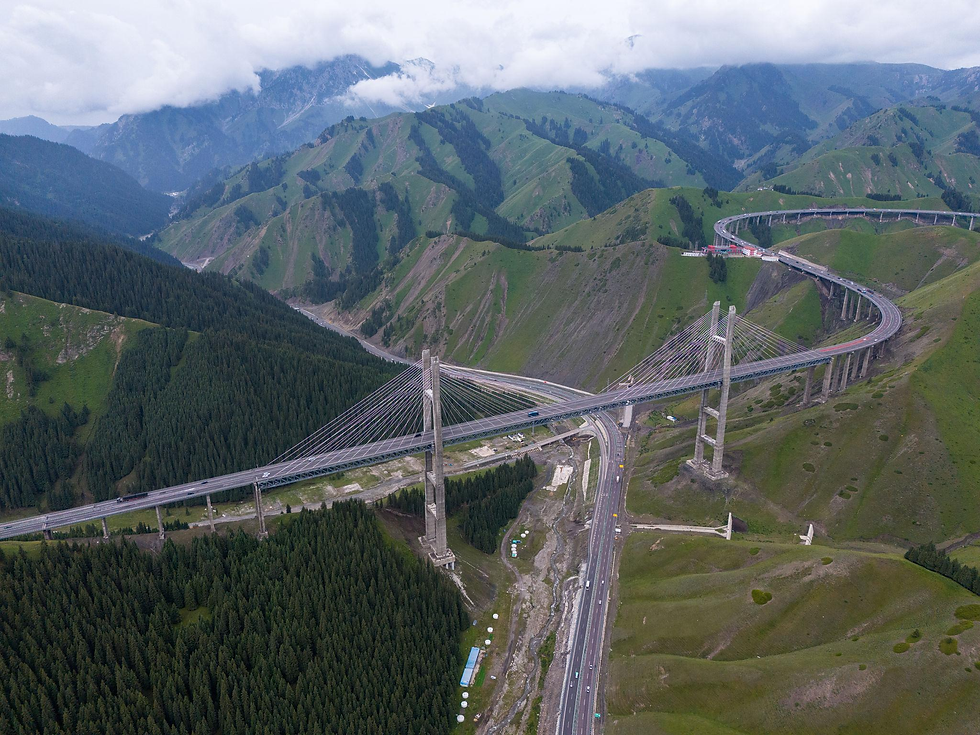
Popular destinations include Altay, Kanas, Hemu Village, Sayram Lake, Yining, Narati, Kuerdening, and the Duku Highway.
The scenery changes dramatically throughout the year, making Northern Xinjiang particularly popular with photographers and nature lovers.
What Can You Experience in Northern Xinjiang?
A Northern Xinjiang journey can include:
Mountain and lake scenery
Vast green grasslands
Forests and valleys
Scenic mountain highways
Traditional pastoral landscapes
Kazakh and Tuva cultural experiences
Photography and outdoor activities
Peaceful villages and countryside
Northern Xinjiang is particularly suitable if you want to spend your holiday surrounded by nature rather than focusing mainly on cities and historical attractions.
Southern Xinjiang: Culture, History and the Silk Road
Southern Xinjiang offers a very different travel experience.
This part of the region is closely connected to the ancient Silk Road and is known for its historic cities, traditional markets, desert landscapes, mountain routes, and rich cultural heritage.
Popular destinations include Kashgar, Tashkurgan, Kuqa, the Taklamakan Desert, White Sand Lake, Karakul Lake, and the Karakoram region.
What Can You Experience in Southern Xinjiang?
A Southern Xinjiang journey can include:
Ancient Silk Road history
Historic old cities
Traditional markets and bazaars
Local crafts and cuisine
Desert landscapes
High mountain scenery
Cultural experiences
Historic towns and villages
Scenic mountain roads
Southern Xinjiang is an excellent choice for travelers who want to understand the history and cultural diversity of the region while exploring dramatic landscapes.
Northern vs Southern Xinjiang: Main Differences
Northern Xinjiang | Southern Xinjiang | |
Main appeal | Nature and scenery | Culture and history |
Landscapes | Lakes, forests, mountains, grasslands | Deserts, mountains, valleys, oases |
Popular destinations | Kanas, Hemu, Sayram Lake, Narati | Kashgar, Tashkurgan, Kuqa |
Best for | Nature lovers and photographers | Culture and Silk Road enthusiasts |
Travel style | Scenic road trips and outdoor exploration | Cultural exploration and scenic routes |
Major highlights | Alpine lakes, grasslands, forests | Old cities, bazaars, deserts, mountain landscapes |
Which Region Has Better Scenery?
This depends on the type of scenery you prefer.
If you imagine your Xinjiang trip filled with green grasslands, forests, alpine lakes, snow-covered mountains, and peaceful valleys, Northern Xinjiang may be the better choice.
If you prefer deserts, dramatic mountain roads, high-altitude lakes, ancient towns, and oasis landscapes, Southern Xinjiang may appeal more to you.
Both regions offer spectacular scenery, but the character of the landscapes is very different.
Which Region Is Better for Culture?
Southern Xinjiang generally offers a stronger focus on cultural and historical experiences.
Kashgar, in particular, provides opportunities to explore traditional architecture, markets, handicrafts, local cuisine, and Silk Road heritage.
Northern Xinjiang also has rich cultural experiences, particularly around the pastoral communities and traditions of the Altay and Ili regions.
If cultural exploration is the main purpose of your trip, Southern Xinjiang may be the better starting point.
Which Region Is Better for Photography?
Both regions are excellent for photography, but they offer different subjects.
Northern Xinjiang is ideal for:
Mountain landscapes
Lakes
Forests
Grasslands
Sunrise and sunset photography
Autumn colors
Rural landscapes
Southern Xinjiang is ideal for:
Historic streets
Traditional architecture
Desert scenery
Mountain landscapes
Local markets
Cultural photography
Silk Road heritage
Photographers looking for a wide variety of subjects may benefit from combining both regions.
Which Region Is Better for a First Trip?
For travelers visiting Xinjiang for the first time, the choice should depend on your interests.
Choose Northern Xinjiang if you want:
Natural scenery, peaceful landscapes, mountain lakes, grasslands, forests, and scenic road trips.
Choose Southern Xinjiang if you want:
Silk Road history, cultural experiences, historic cities, traditional markets, deserts, and dramatic mountain routes.
There is no single answer to which region is better. The right choice depends on what you want your Xinjiang experience to be.
How Many Days Do You Need?
For a focused trip, around 7–10 days can work well for exploring one region.
A Northern Xinjiang itinerary of this length can include destinations such as Altay, Hemu, Kanas, Sayram Lake, Yining, or Narati, depending on the route.
A Southern Xinjiang itinerary can focus on Kashgar, Tashkurgan, Kuqa, desert landscapes, and surrounding attractions.
If you have 12–14 days or more, you can consider combining selected destinations from both regions. However, because Xinjiang is so large, combining everything into one trip can involve considerable driving and transportation time.
When Should You Visit Northern Xinjiang?
The most popular period for Northern Xinjiang is generally from June to October.
Summer brings green grasslands, mountain scenery, and comfortable conditions for exploring many scenic areas.
September and October are particularly attractive for autumn scenery, especially around destinations such as Kanas and Hemu.
Winter offers a completely different experience, with snow-covered landscapes and colder conditions.
When Should You Visit Southern Xinjiang?
Southern Xinjiang has a relatively long travel season.
Spring and autumn can be particularly comfortable for exploring cultural attractions, historic cities, deserts, and mountain areas.
Summer can also be suitable depending on your itinerary, although some desert and lower-altitude areas can become very hot.
Before traveling to high-altitude destinations, always consider seasonal weather and current road conditions.
Can You Combine Northern and Southern Xinjiang?
Yes, but you should allow enough time.
Because of the enormous distances involved, trying to cover too many destinations can make the journey tiring.
A customized itinerary can combine selected highlights from both regions using a mixture of flights and private road transportation.
For example, you could explore the natural landscapes of Northern Xinjiang before continuing toward Southern Xinjiang to experience Kashgar and the Silk Road heritage of the region.
Which Region Should You Choose?
The easiest way to decide is to think about what you want to see.
Choose Northern Xinjiang for:
Mountains, lakes, forests, grasslands, photography, scenic drives, and peaceful natural landscapes.
Choose Southern Xinjiang for:
Culture, history, Silk Road heritage, deserts, traditional markets, old cities, and dramatic mountain scenery.
Choose both if:
You have enough time and want a broader introduction to Xinjiang's natural and cultural diversity.
Explore Xinjiang Your Way
Northern and Southern Xinjiang each offer a completely different perspective of the region. Northern Xinjiang showcases vast natural landscapes and pastoral scenery, while Southern Xinjiang reveals the area's deep Silk Road history, cultural heritage, and desert landscapes.
At Meicheng Travel, we can help you choose the region that best matches your interests and create a customized itinerary around your travel dates and preferred travel style.
Whether you are looking for a Northern Xinjiang nature tour, a Southern Xinjiang cultural journey, or a private itinerary combining both regions, our local team can help you plan your experience.
Explore our Northern Xinjiang Tours and Southern Xinjiang Tours to find the journey that suits you best.