Complete Xinjiang Travel Guide for First-Time Visitors
Xinjiang is one of China's most diverse and fascinating travel destinations, offering a remarkable combination of mountains, deserts, grasslands, lakes, ancient Silk Road cities, and vibrant local cultures. For first-time visitors, the region can feel overwhelming because of its enormous size and the number of destinations worth exploring.
This guide covers the essentials you need to know before planning your first Xinjiang trip, including where to go, when to visit, how long to stay, transportation, food, culture, and practical travel tips.
Why Visit Xinjiang?
Xinjiang offers an incredible variety of landscapes and experiences within one destination. You can travel from vast desert landscapes to snow-covered mountains, explore historic Silk Road towns, visit traditional markets, and experience the pastoral lifestyle of local communities.
For travelers interested in nature, photography, culture, history, and scenic road trips, Xinjiang offers an experience unlike many other destinations in China.
Northern Xinjiang vs Southern Xinjiang
One of the first decisions to make when planning your trip is whether to explore Northern Xinjiang, Southern Xinjiang, or both.
Northern Xinjiang
Northern Xinjiang is particularly famous for its spectacular natural scenery. The region features alpine lakes, forests, mountains, grasslands, valleys, and wide-open landscapes.
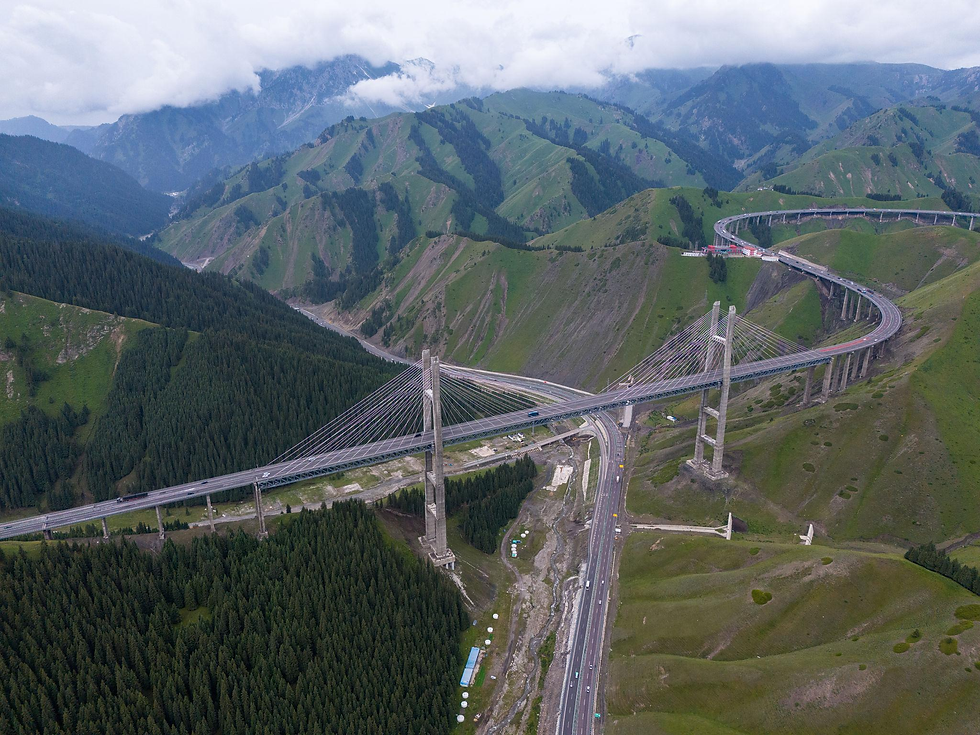
Popular destinations include Kanas, Hemu Village, Altay, Sayram Lake, Yining, Narati, and the Duku Highway.
Northern Xinjiang is an excellent choice for travelers interested in:
Mountain and lake scenery
Forests and grasslands
Landscape photography
Pastoral and nomadic culture
Scenic road trips
Relaxing nature-based travel
Southern Xinjiang
Southern Xinjiang offers a deeper focus on history, culture, desert landscapes, and Silk Road heritage.
Destinations such as Kashgar, Tashkurgan, Kuqa, the Taklamakan Desert, and the Karakoram region provide opportunities to experience historic cities, traditional communities, dramatic mountain scenery, and ancient Silk Road routes.
Southern Xinjiang is ideal for travelers interested in:
Silk Road history
Local culture and traditions
Desert landscapes
Historic cities and old towns
High-altitude mountain scenery
Local cuisine and markets
If you have enough time, combining Northern and Southern Xinjiang can provide a more complete experience of the region.
How Many Days Do You Need in Xinjiang?
Xinjiang is extremely large, so trying to see everything in only a few days can result in long travel times and a rushed itinerary.
For a first visit, consider:
5–7 days: Suitable for focusing on one area or a few major destinations.
8–10 days: A good option for experiencing several highlights at a comfortable pace.
12–14 days: Better for travelers who want a more comprehensive Northern or Southern Xinjiang journey.
Two weeks or more: Ideal for combining multiple regions or creating a customized itinerary.
Instead of trying to visit every attraction, choose destinations that match your interests and allow enough time to enjoy each place.
Best Time to Visit Xinjiang
Xinjiang is a year-round destination, but the best time to visit depends on the destinations and experiences included in your itinerary.
Spring
Spring brings milder temperatures and blooming landscapes to many parts of Xinjiang. It can be a good time for travelers who prefer quieter conditions and changing scenery.
Summer
Summer is one of the most popular seasons for Northern Xinjiang. Grasslands become green, mountain scenery is vibrant, and many scenic routes are accessible.
It is also a popular period for road trips and outdoor activities.
Autumn
Autumn is particularly beautiful in Northern Xinjiang, when forests and mountains take on golden and red colors.
Kanas, Hemu, and other parts of the Altay region are especially attractive for photographers during this season.
Winter
Winter transforms parts of Xinjiang into a snowy landscape. Northern destinations can become very cold, but the season offers a completely different experience for travelers interested in snow scenery and winter activities.
How to Get to Xinjiang
Most international travelers begin their journey in Urumqi, the capital of Xinjiang.
Urumqi is the region's main transportation hub and has connections to major cities across China. Depending on your itinerary, you can reach Xinjiang by international or domestic flight and then continue your journey by air, train, or road.
Because Xinjiang is so large, it is important to consider transportation time when planning your itinerary.
How to Travel Around Xinjiang
One of the most important things to understand before visiting Xinjiang is its enormous geographic size.
A destination that looks relatively close on a map can still require several hours of driving. For this reason, your itinerary should be planned around geographic regions rather than simply selecting attractions individually.
Private vehicles and organized tours can be particularly convenient for multi-day journeys because they allow travelers to move between scenic areas without having to manage complicated transportation connections themselves.
Depending on the route, self-drive travel can also be an option for travelers who prefer greater flexibility.
What to Expect from Xinjiang's Landscapes
Xinjiang's scenery changes dramatically as you travel across the region.
You may encounter snow-capped mountains, alpine forests, vast grasslands, clear mountain lakes, golden deserts, deep valleys, oasis landscapes, and historic towns.
This diversity is one of the main reasons travelers spend several days exploring Xinjiang rather than visiting only one destination.
Xinjiang Food You Should Try
Xinjiang is famous for its distinctive cuisine, which reflects the region's diverse cultural heritage.
Some foods worth trying include:
Xinjiang lamb kebabs
Hand-pulled noodles
Polo rice
Local dumplings
Naan
Fresh and dried fruits
Melons and grapes
Traditional tea
Food options vary between major cities, smaller towns, villages, and scenic areas, so travelers should keep some flexibility when planning meals.
Cultural Experiences in Xinjiang
Xinjiang is home to many different communities and cultural traditions. Traveling through the region provides opportunities to experience local architecture, markets, food, music, crafts, and traditional lifestyles.
Northern Xinjiang offers opportunities to experience pastoral landscapes and nomadic traditions, while Southern Xinjiang provides a strong connection to Silk Road history and traditional communities.
When visiting local communities, markets, religious sites, and cultural attractions, travelers should respect local customs and follow photography guidelines.
What to Pack for Xinjiang
Your packing list should depend on the season and destinations included in your itinerary.
Useful items include:
Comfortable walking shoes
Lightweight clothing layers
Warm clothing for mountain areas
Sun protection
Sunglasses
Sunscreen
Reusable water bottle
Power bank
Basic personal medicines
Camera or smartphone
Comfortable daypack
Even during warmer months, mountain areas can be considerably cooler than cities, so bringing layers is recommended.
Is Xinjiang Suitable for First-Time Visitors?
Yes. Xinjiang can be an excellent destination for first-time visitors when the itinerary is planned carefully.
The biggest challenge is usually not finding things to see, but deciding which places to visit and how to connect them efficiently.
A well-planned itinerary can reduce unnecessary driving, provide more time at scenic destinations, and make the overall journey more comfortable.
For travelers unfamiliar with the region, working with a local travel company can also make transportation, accommodation, guides, and itinerary planning easier.
How to Plan Your First Xinjiang Trip
Start by choosing your travel season based on the destinations and landscapes you want to experience.
Next, decide whether you want to focus on Northern Xinjiang, Southern Xinjiang, or combine both regions. Then determine how many days you have available and select a manageable number of destinations.
Consider your preferred travel style, such as a private tour, customized itinerary, group tour, or suitable self-drive experience.
Finally, plan your transportation and accommodation while leaving some flexibility for weather and road conditions, particularly when traveling through mountain and scenic areas.
Explore Xinjiang with Local Experts
Xinjiang is a destination where the journey between places can be just as memorable as the destinations themselves. From the mountains and forests of Northern Xinjiang to the ancient Silk Road heritage of the south, every route offers something different.
At Meicheng Travel, we specialize in customized Xinjiang travel experiences designed around your interests, schedule, and preferred travel style. Whether you want to explore Northern Xinjiang's natural landscapes, discover Southern Xinjiang's cultural heritage, or create a private itinerary combining both regions, our local team can help you plan your journey.
Explore our Xinjiang tours or contact our travel team to create a customized itinerary for your trip.